
Radical Acts: Pause, Play and Pleasure
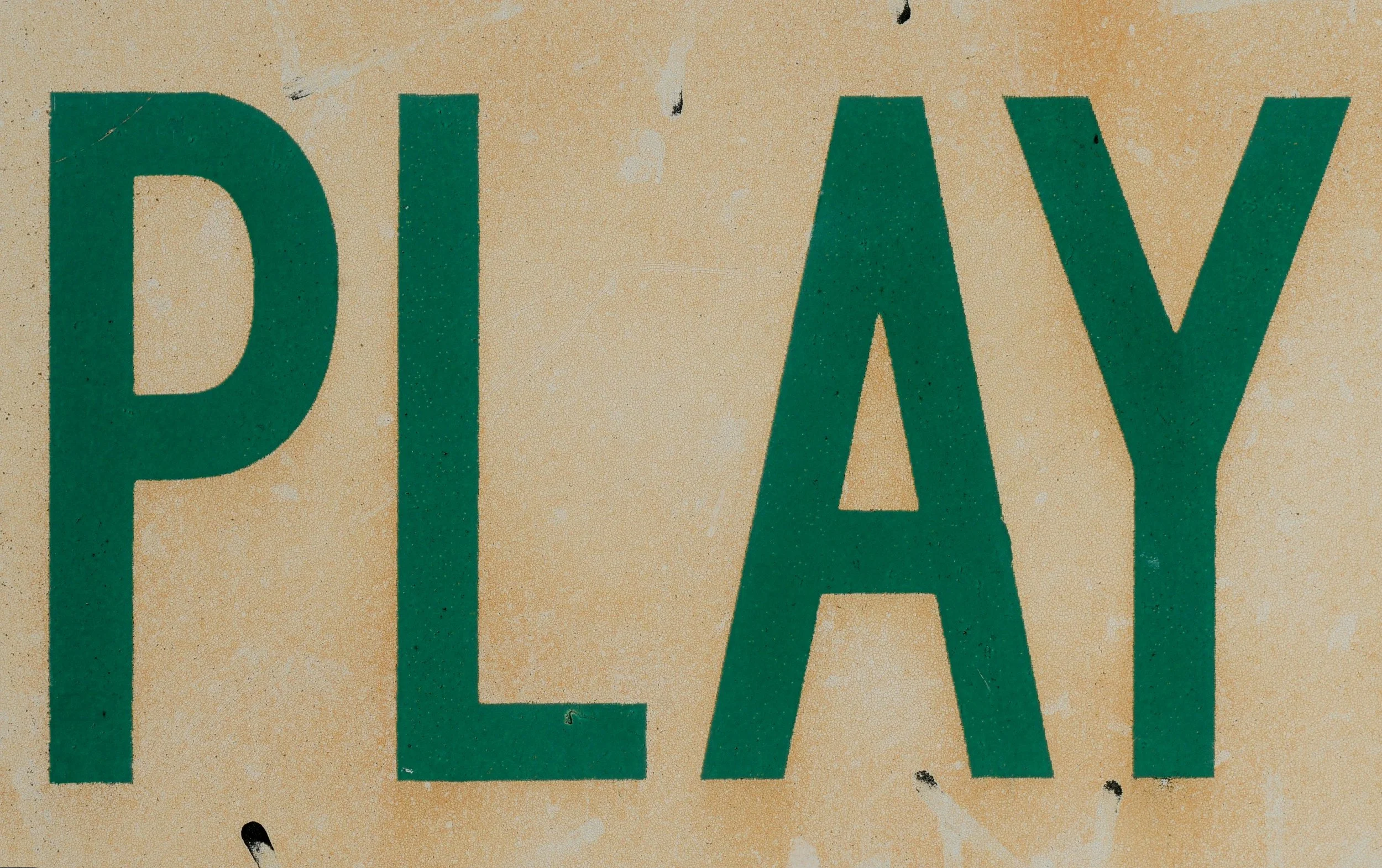
Photo: Ben Hershey @ Unsplash
By Julie Harris, September 2023, Medium
I’m just returning from five weeks of travelling in my birth country. Throughout the trip, I was driven to pause. Mind you, pause is something I take very seriously. For years now, I have begun my day by sitting quietly, meditating and/or walking in silence. This act alone has changed everything.
But I was driven to even deeper pause as I observed the people around me during my travels, and as I asked them questions about the time and ways they accorded to the “5Ps” (Pause, Play, Passion, Purpose and Pleasure).
In short measure, I began to understand that three of the 5Ps (Pause, Play and Pleasure) were, in fact, radical acts in our efficiency-focussed, over-achieving culture.
To make time for Pause, Play, and Pleasure means defiantly prioritising presence over productivity, revelling in imagination over outcome, and embodying delight over duty. We swim against the currents of cynicism and busyness when we carve out moments in our days for stillness, joy and sensory pleasure.
Yet these simple, human acts of slowing down, lighting up, and tuning in can soften our edges, open our minds, and guide us back to what matters most. By Pausing, Playing and savouring Pleasure, we seed renewal that ripples outwards in subtle and profound ways.
Stopping creates space and place for something genuinely new to happen. When we pause, we interrupt the habits of acts and reactions that fill our days. We create a gap, an opening. Into that space, something fresh can emerge — a new insight, a different perspective, a change of heart. Without pause, we miss these moments of potential transformation.
Yet many of us have forgotten how to pause. We fill up every moment with busyness and distraction. We bounce from one digital notification to the next. We avoid stillness at all costs, fearing what we may find there. And so our days become an endless stream of doing without being, of reacting without creating. We lose our access to the gateway of pause.
Play may be even more countercultural. Most adults see play as trivial, something only for children. Play is viewed as the opposite of “real” work. And so we have created a society driven by productivity and achievement, with little room for the spirit of play.
Yet playfulness taps into our innate creativity, joy and imagination. It relieves our stresses and brings us fully into the present moment. Play helps us approach life with more flexibility, humour and enthusiasm. Most importantly, play opens up possibilities we would never discover through linear thinking alone.
That’s why many visionary thinkers have emphasised the importance of play. Albert Einstein, for example, claimed that play was essential to how he made breakthroughs in physics. For Einstein, playing with imaginative ideas was central to his genius.
Similarly, the philosopher Friedrich Nietzsche said, “The struggle of maturity is to recover the seriousness of the child at play.” As adults, we must find ways to incorporate play into our busy lives. We can welcome humor and light-heartedness into our work. We can make time for hobbies and recreational activities that tap into our creativity.
Most radically, we can bring a spirit of play into routine activities. Washing dishes or driving to work, for instance, can be done playfully and mindfully, transformed into almost a moving meditation. With this sense of play, our days take on new joy, unpredictability and flow.
Finally, pleasure may be the most subversive of all in our driven, producing-oriented world. Most of us in the West have internalised the idea that pleasure must be earned through hard work and sacrifice. Enjoying life is framed as a reward we receive later, after putting in long hours on the job or taking care of our daily obligations. In the meantime, life is something to be endured, not relished.
This delay of gratification ultimately keeps us from living fully. We come to see pleasure as an indulgent distraction from what really matters. We normalise lives of stress and strain for the sake of abstract goals: money, status, security. But in the process, we lose the sensuous vitality that makes life worth living.
That’s why we need to reclaim pleasure as an ongoing practice, not a distant reward. Of course, momentary pleasures like overeating sweets or binge-watching shows can be unhealthy addictions. But deeper forms of pleasure — savouring good food, enjoying intimacy, appreciating art and nature — are gateways to living well.
We nourish our own lives by cultivating simple but sustaining pleasures. An evening walk under the stars, a chat with a close friend, a sunrise stretch by the window — these moments renew us. Yet, we must prioritise them among the demands of modern life.
Through mindful embodiment of life’s pleasures, we connect to what is most meaningful: loving relationships, natural wonder, communion with our deepest selves. Consumer culture pushes shallow forms of pleasure that consistently leave us empty. By instead mindfully incorporating rich pleasures into each day, we can transform our lives at their very roots.
In different ways, Pause, Play and Pleasure defy the dominant narrative of what it means to live well. They cannot be forced into neat boxes on a to-do list or scheduled into a productivity planner. They arise spontaneously from presence and receptivity. By incorporating more Pause, Play and Pleasure into our lives, we open up to essential qualities, like stillness, joy and embodiment, qualities desperately needed in our fractured world.
If Pause, Play and Pleasure are missing from your life, you can begin with small steps to integrate them into your daily rhythm.
Press start
Pause
Set a timer for 5 minutes in the morning and evening to sit in stillness and follow your breath. Observe what comes up without judgment.
Take a “walking meditation” — go for a mindful, silent walk noticing sights, sounds and sensations.
When waiting in line or at a red light, pause instead of looking at your phone. Enjoy a moment of stillness.
Take micro-breaks to stretch, breathe deeply, or look out a window simply to experience the pleasure of the mo(ve)ment.
Play
Bring an attitude of curiosity to ordinary activities — washing dishes, brushing your teeth, taking notes at a meeting. Find the play within.
Go outside for a short walk and make it playful by noticing things you don’t usually see.
Inject humour and laughter into social interactions.
Listen to music and allow yourself to dance or sing out loud when the urge strikes, even if just for one song.
Have absurd conversations. Discuss silly hypotheticals or made-up words, with nonsense discussions to activate your creativity.
Keep toys like stress balls, puzzles, or art supplies at your desk to spark creativity on breaks.
Replace phone scrolling with doodling, word games, or calling a friend during downtime.
Pleasure
Place fresh flowers where you will see and smell them to uplift your mood throughout the day.
Savour comforting pleasures — a warm cup of tea or coffee, a soft throw, soothing fragrances.
Schedule regular massages or intimacy sessions to experience deep embodiment.
Keep beautiful objects near you as visual pleasures.
Set aside 5 minutes to mindfully eat a piece of dark chocolate (orange or strawberry) and savour the taste and aroma.
The key is interspersing small acts of Pause, Play, and Pleasure throughout your day to punctuate your routine and refresh your mind, body and spirit. Start with whatever resonates most right now — choose just one a day or week — and build from there.
In this way, a whole new way of living can organically unfold — one of wholeness, wonder and deep purpose.
The radical act is simply to begin.
The takeaway
Ultimately, weaving small acts of Pause, Play, and Pleasure into your days can deeply enrich your life. Pausing brings stillness and creativity. Playfulness boosts imagination and flexibility. Simple pleasures enhance gratitude and embodiment. Together, these radical acts push back against busyness, mindless productivity and joylessness. Starting small kickstarts a steady transformation into greater presence, purpose and meaning. Give yourself the gift of more Pause, Play and Pleasure — you’ll be rewarded with a more engaged, inspired life.
This piece is part of a book I am writing on Pause, Play, Passion, Purpose and Pleasure (the “5Ps”). For more about the book, subscribe to Hit Pause, Then Play.