
May: TEND
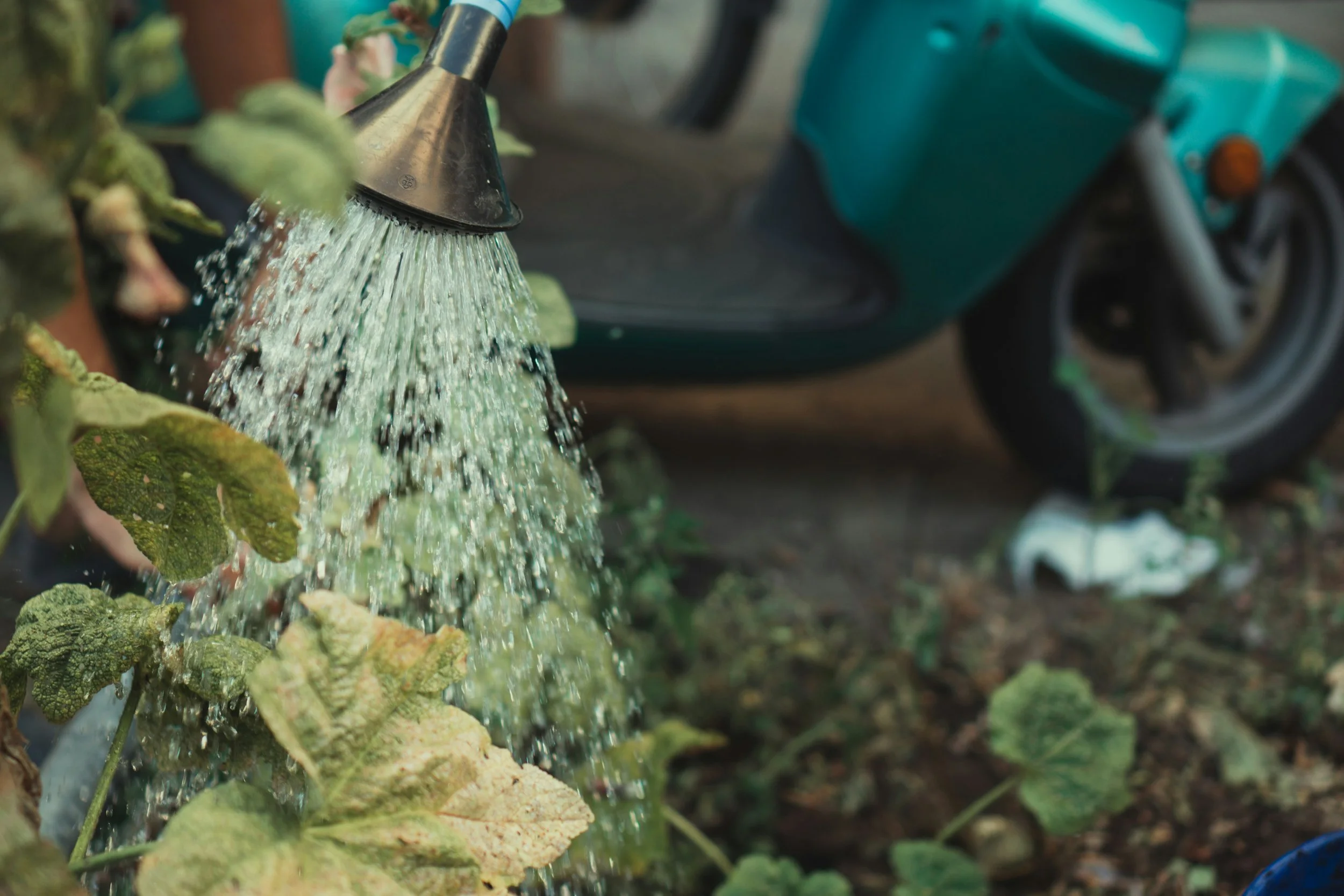
In this month of May, where our Spring morphs into early Summer, I find myself tending to the garden in bitesize ways - not the big CLEAR out of autumn, the big REST of winter, or the big PLANT in Spring. Instead, I find myself nipping dead leaves as I walk past, watering the seedlings regularly, picking out the weeds, chucking the odd snail over the neighbour’s fence.
The actions are small, but regular - a constant checking in, caring, noticing, nourishing. The needs of each plant are different, and so the attention varies. The weather is varied enough to provide sun and rain, so the effort is low and small, regular and constant. Small habits that contribute to a bigger endgame - as I imagine what (and who) I will invite into the garden next month to enjoy the longer evenings and the blooms as they emerge.
In our gardens – we need to watch out for slugs and for nipping out extra growth to conserve energy. We have to watch out for the weather, late frosts, early heatwaves. We need to keep on top of planting out, potting on and tying up. We need to raise our awareness of the circumstances and needs of things growing around us.
So this month, we are going to pay attention. Not only does our attention need to be distributed to the right places, it also needs to be alert to when things are out of balance, or resources are low. It also needs to shift and change as our environment shifts and changes. Spring always looks and feels like a period of huge and surprising transformation. As it continues apace and the new life around us feels a welcome distraction, how do we ensure we can give everything that is important to us the attention that it needs?
This month's resources: notice, assess, respond
This month, we are going to work with some basic mindful practice – and just enough to cultivate some simple habits of noticing our needs. We are also going to think about how we prioritise, and thin out the weeds. We are also going to consider the role of patience and going slow – just as everything is opening up and going fast again.
Noticing & Mindful Practice
I do believe that Self-Care starts with being Self-Aware. You have to asses and notice your needs to be able to tend to them. We will get good at tuning in to ourselves – at a physical, an emotional, and a cognitive level. We will cultivate some simple and positive habits that allow you to pay attention to what is going on inside. Only then can you know what to tend to.
Assessing what you need: Human Givens
I think there’s a very universal feeling for busy mothers, that to tend to your own needs is in some way a luxury - a ‘nice to have’ add-on to the relentless list of things that need to be done before we can do the things we’d like to do too.
Often women come to me thinking they need to change something dramatic in their one area of their life - often their work - only to discover that were they to feel more nourished outside of work, their working lives would feel immeasurably better. But the patterns we find ourselves in, in this pacey day and age, are often corrosive to healthy living. We often need more than a sticking plaster response.
I also know from my own experience that self-care is not necessarily easy. In fact, it can be painful to shine a spotlight on something that you might have avoided for a while. Self-care is really about tending to your needs - however deep, difficult or challenging that might be. Self-care requires self-awareness and might require some painful change for things to begin to be sustainably better.
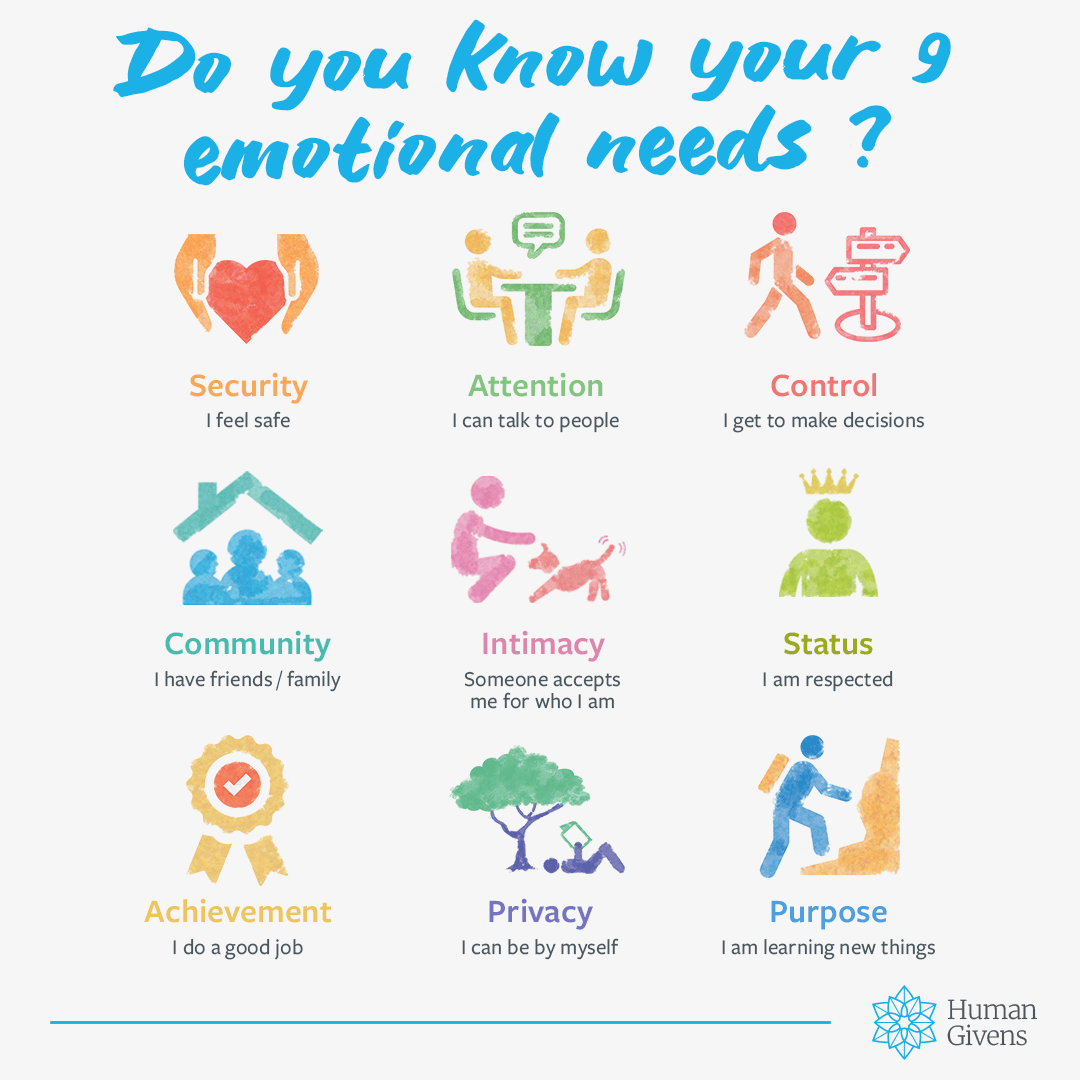
In the resources this month, then, you’ll find some ideas about what it means to tend to our needs. We’ll revisit the Human Givens model (as a reminder and a check-in since last year) as an easy window into how well we are currently meeting our needs.
We’ll also consider different types of self-care that may or may not inspire some shifts in your own regular, self-caring habits. You may find new ways to meet your needs or recognise that something that you need is as essential as the sun, rain and soil for my plants in the garden.
Going slow
There is also a piece about going slow - and the value in taking your time. It turns out we're a lot more productive, focused and energised if we can slow our pace and be present enough to notice what's what.
There's a lot to be said, when we are responding to our needs, for not rushing the process: finish your stretch, listen to the end of the song, take an extra 5-minute detour on your walk. The world will not slow down because of it, but we may be better resourced to manage what comes our way.
I hope you have a beautiful month and look forward to our group coaching to discuss what you notice - and how you choose to respond - this month.
With love x
Slowing down. On purpose.
When life feels hectic, and we find it hard to tend to our needs, slow down. Whilst it doesn’t make mathematical sense, it will provide you with the chance to decide how you want to move through time and space. Slow down. We’re moving too fast.


The gift of noticing
To know what we need to tend to in our lives, first we must notice what is going on - in our thoughts, our feelings and our bodies. The practices shared here are ways to tune in to your experience and find the wisdom that already exists within you.

Our changing needs
The questions in this post explore how our needs change over time. My needs are subject to all sorts of internal and external forces - and knowing more about these can help us recognise when we feel unsettled, when we feel well, when we feel excited - and so on. It can help us prepare for us to meet our needs effectively, or to hold fast when our needs are not met well enough. We are complex creatures, and so none of these questions will prompt ‘right’ answers. Go with your instincts and get ready to share your insights when we meet for group coaching.
Human Givens: our basic emotional needs, and our capacity to meet them.
In this short video, Ivan Tyrell takes us through the key human emotional needs - those things that we fundamentally need to feel mentally and emotionally resourced and resilient in the world. Whilst it looks a bit out of date, I look forward to discussing the common sense nature of it, and how it helps us reflect on our own needs. Watch this before having a look at the coaching questions I am also posting this week.

Self-care: what? So what? Now what?
Self care has been a phrase I have felt allergic to for a long time. Not because the sentiment of caring for yourself is unpleasant - but rather that the idea of self care as a warm bath and a massage - a sticking plaster over the cracks of life - didn’t hit the mark for me. In this article, there are a variety ways of caring for oneself - and possibly in ways you have not thought of. Read on, collect ideas, practice - and report back!

Human Givens: our universal needs
It’s time to tend to our needs. Just knowing what our needs are can be a challenge . So often the last set of needs that get met within the family unit, busy mothers often feel their needs are the least important. Well, I beg to differ. Remember the oxygen mask metaphor? Got to put yours on first to be able to meet other people’s needs well? Here’s a way of thinking, and a great coaching tool, to help you think about your needs, and whether they are being met well enough.