Oxytocin: the love drug that trumps all
Remember those times in your life when Oxytocin was high - the start of a new relationship, getting ready for birth by nesting, maybe the bubble of a newborn (without ignoring the post-natal difficulties so many experience too)? You body is telling you - its ok, relax, enjoy and unwind, we’ve got this.
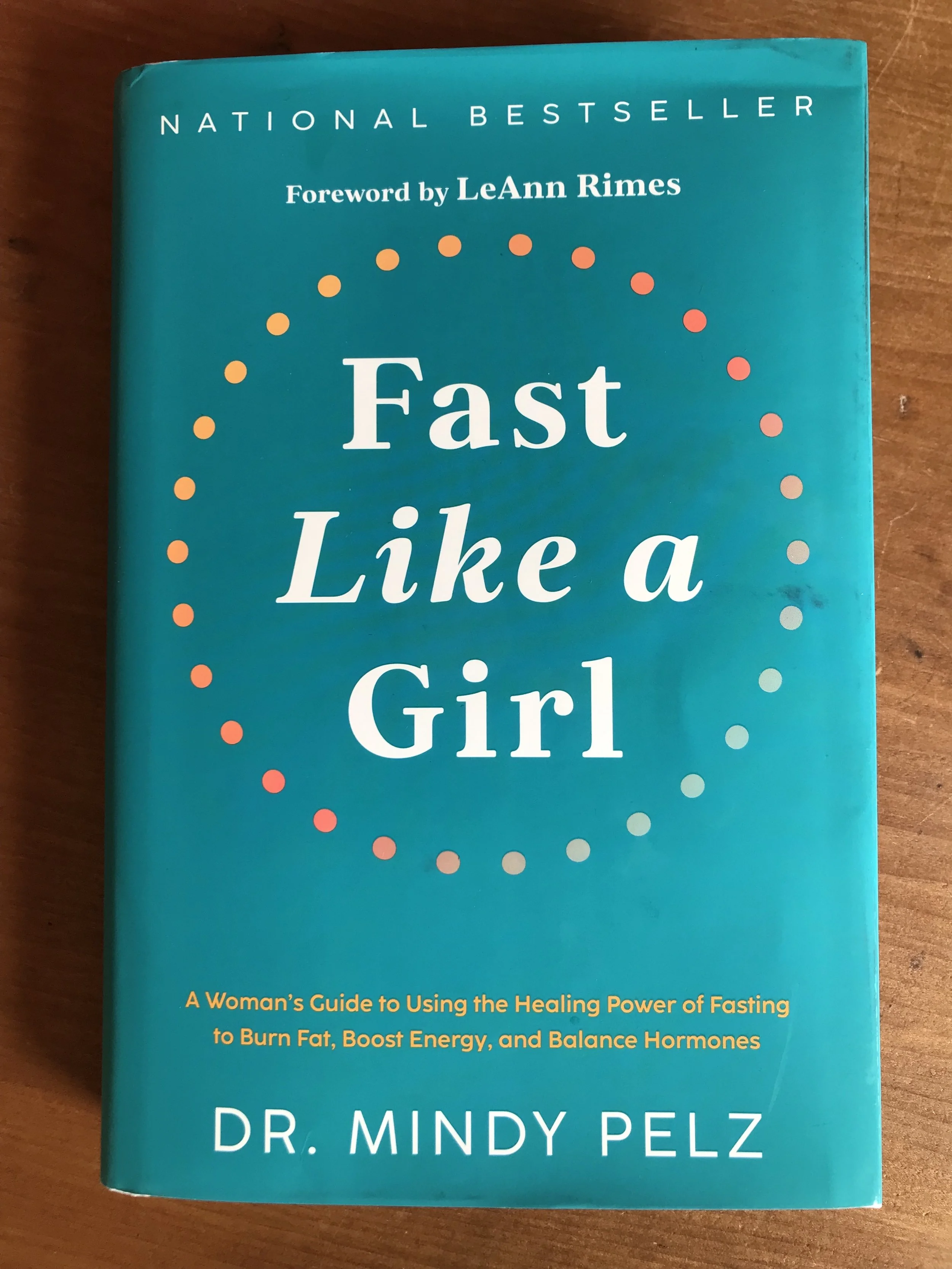
I am currently reading ‘Fast Like a Girl’ by Dr. Mindy Pelz to engage in my own version of a bit of self-love - some weight-loss to manage the Camembert Ridge that appeared during the summer holidays, some gentle discipline (more on that another time), and to combat some of the less comfortable side effects of the perimenopause.
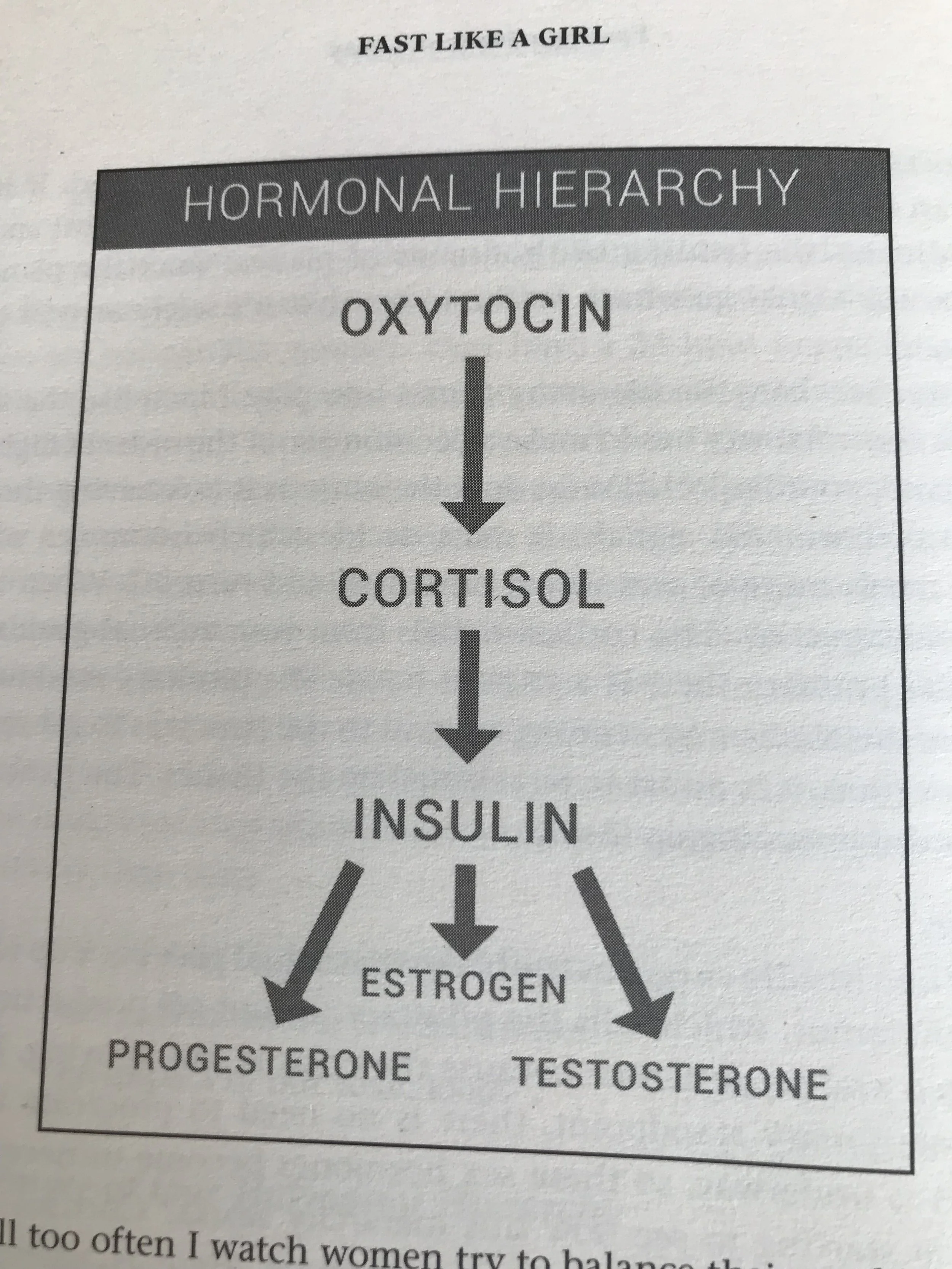
In the section on the benefits of fasting to balance hormones, I was intruiged by the bit on Oxytocin, and the hierarchy of hormones that affect our mood, our menstrual rhythms, and our general outlook on life. I thought I would add it here, because there is a connection here to how we spot and feel LOVE in the small actions - and how that affects us physically, emotionally and mentally.
It is a scientific rationale for loving kindness - and why as women, we need to feel the love more than men. That kind of blew me away…
Here’s Dr. Mindy:
“We also need to take a look into three important and uniquely female features as we first differently to men:
The power of our hormonal hierarchy
Fluctuations in our sex hormones
The impact of our toxic loads
The power of our hormonal hierarchy
The first is a principle called the hormonal hierarchy. Here's how it works: the hormone oxytocin can calm cortisol. Cortisol spikes will cause increases in insulin, and surges in insulin have a direct effect over your sex hormones, oestrogen, progesterone and testosterone. When we fast, we have to pay close attention to how these hormones will impact each other.
How does this work? You have two areas in your brain - the hypothalamus and pituitary - that balance all the hormones in your body. The hypothalamus receives hormonal information from your endocrine organs and uses that info to tell the pituitary gland what hormones it needs to make. The pituitary gland then takes that instruction and sends a hormonal signal back to your endocrine organ to signal what hormones are still needed. It is like an air traffic control tower that scans the incoming flights and coordinates the landing of thousands of planes. Once the plane lands, the signal gets back to the tower that it's safely arrived at the gate.
Here is where the hierarchy comes into play. Much like the air traffic control tower has to make a decision about the order of flights that land, your hypothalamus does the same as it is receiving thousands of hormonal signals. It must decide which hormones your body needs more of and which ones it should turn off. When the hypothalamus receives cortisol signals from your adrenal glands it tells the pituitary that there is a crisis at hand. The pituitary modulates glucose metabolism by sending a signal to the pancreas to get ready because glucose is about to be released by the tissues. The pancreas responds by revving up insulin.
Insulin
When insulin surges in the body, that signal goes back up to the hypothalamus, which tells the pituitary to shut off production of oestrogen and progesterone because the crisis is still brewing. From an evolutionary standpoint there is no need to procreate when a crisis is underway, so these sex hormones become unnecessary. Are you starting to see how this hierarchy works? Cortisol starts the whole cascade of hormonal responses. Here is where this hierarchy gets fun. If you know stress is high, causing insulin and sex hormone imbalances, then you want to focus first on the top of the hormonal chain. Remember which hormone is at the top of the human or chain? Oxytocin. The minute the brain gets the oxytocin signal it turns off cortisol, leading to better glucose management, a reduction in insulin, and a rebalancing of sex hormones. One key hormone brings the whole system back into balance.
All too often I watch women try to balance their sex hormones without realising that they need to be insulin sensitive and have minimal spikes in cortisol. If a woman is under chronic amounts of stress mixed with being insulin resistant, balancing her sexual hormones will be a dead-end street. To truly get to the root cause of any sex hormone challenge, you need to take this whole hierarchy into consideration. I watch women struggle with classic hormonal imbalances like infertility, PCOS, or unruly menopause symptoms. Many times, the treatment they are using to overcome these challenges is addressing only one piece of this hierarchy. When a woman discovers tools to help balance stress, insulin, and her sex hormones, she will finally see a change in these conditions.
Cortisol
Getting stress under control is no doubt easier said than done. For years I personally struggled with the mental and physical effects of too much cortisol surging through me. Good friends would tell me to slow down and lean into more self-care. This was not an easy request. After reading 'Rushing Woman Syndrome', in which Dr. Weaver describes in exquisite detail the impact cortisol has on a woman's body, I began to understand at a deeper level the negative physiological consequences cortisol was having on my hormonal health. This motivated me to change my stressful ways. Most likely you have also had moments when cortisol has hijacked your hormonal health and you too have witnessed this hierarchy at play.
Often women see the most hormonal dysfunction during or after times of chronic stress. When stress levels go up, cortisol levels spike. A surge of cortisol signals to your body to elevate your blood sugar. This is your classic fight or flight response. Your body prepares as if it needs to run away from a tiger that's chasing you, releasing stored sugar to send to your muscles quickly so you can act. Your body adapts to this new surge in blood sugar by telling your pancreas to make more insulin. If you're trying to lose weight, this chemical reaction can really work against you. Cortisol can raise insulin as much as a piece of cake can. This can make it difficult to lose weight when you are living a high-stress life. This increased insulin initiated by cortisol spikes sets you up to fail at any diet, fast, or nutrition change that you were trying to make. But the damage from cortisol doesn't stop there. Continued cortisol spikes signalling insulin deplete your sex hormone production. Combine chronic stress with eating the classic western diet and you will find balancing oestrogen, progesterone, and testosterone difficult.
Can you see why your health goals have eluded you in times of stress? Cortisol is the bully in the playground that makes sure no other hormones can play. Depressing, right? Well, here is the good news. Fasting like a girl can not only help you unwind the negative effects cortisol plays on your body; It can also help improve production of neurotransmitters that calm you, helping you combat stress with more grace.
Also, keep in mind that there is one key hormone that will stop cortisol in its tracks and break this chronic stress cycle. At the top of the hierarchy sits one powerful hormone that can balance all the other hormones that sit below it. It's oxytocin.
Oxytocin
When you make oxytocin, your cortisol levels will drop balancing out your insulin levels and leading to better sex hormone production. You might know oxytocin as the love hormone. Getting more of this hormone is super fun! You get a dose of oxytocin from hugging, talking with your best friend, laughing, petting your dog, holding a baby, saying I love you, being in a state of gratitude, snuggling, sex, masturbation, meditation, yoga, massage, and deep, meaningful conversations with people. Don't dismiss these activities as being frivolous uses of your time. As a woman, you need lots of oxytocin. More so than your male counterparts. Most important, oxytocin is at the top of the hierarchy, so it means it has the power to balance all of your other hormones. Oxytocin has a direct effect on the hypothalamus of your brain. When oxytocin is on the scene, it tells your brain that you are safe and loved and the crisis is over. The brain responds by ceasing the production of cortisol. How awesome is that?! Your health will benefit greatly from getting daily doses of oxytocin.’