
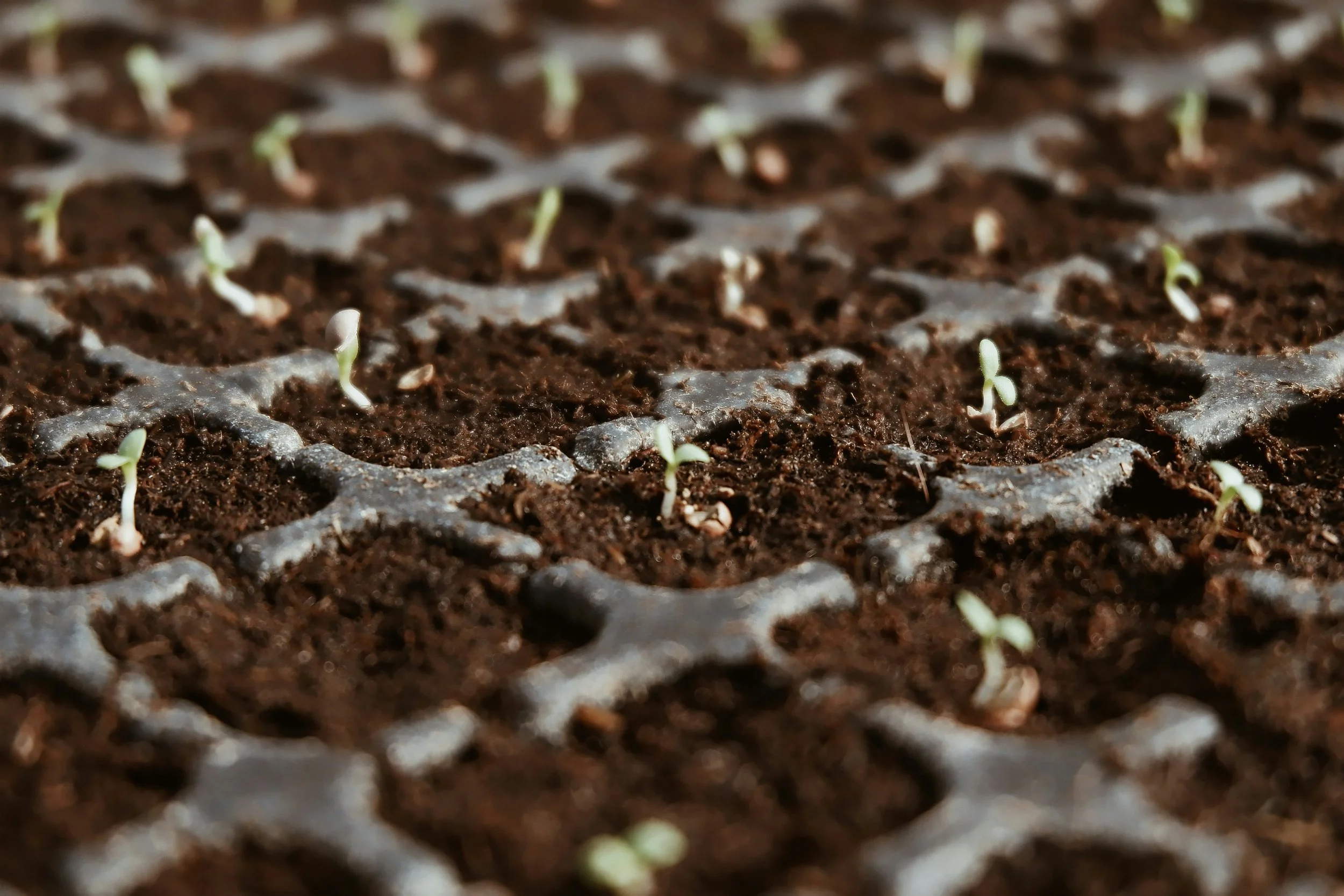
March - PLANT
What will you commit to this year?
In January we SELECTED things important in our lives. We considered the garden of our lives - what needed to be there, what you wanted to get under control, what you wanted to weed out. And in February we understood what lies at your SOURCE: those sparks of life that fire you up and gets you going.
To plant is a commitment
This month’s theme is to consider what you want to commit to - what it is you will PLANT in the ground and continue to nourish and nurture until fully grown. I am sharing a number of ideas and activities that will help you with: the best conditions in which new things can grow; the habit setting that you might need to commit to in order to see your habit grow; and the strengths and achievements you bring with you to enable you to initiate, nurture and execute this new thing - action, state of mind, way of being.
This month, the resources are not about making quick change, hard or fast. Growth takes time. Sustained, established growth requires patience and a growing awareness of transformation that can be imperceptible to the naked eye - much like the seeds that you will plant out for your garden this summer. It also requires commitment.
The first step
This commitment to PLANTING seeds in the ground is the first and necessary action towards change and growth. It might take extra confidence or courage to take this first step. But it will also be this first step that will provide you with the evidence, and then the conviction, for the next. Those subtle changes down the line (the shoots emerging from the soil, the buds appearing, the flower blossoming) can ONLY take place if you plant the seed in the first place.
So if you are looking to make a change this year - let’s start planting the seeds so that you have the opportunity for that growth. Not all ideas need to be cultivated and nurtured to their full potential. Not all your seedlings will flourish. But within those seed trays will be an opportunity - the potential - for something big to happen. Every oak tree starts with an acorn, after all.
Where to begin…?
I would start with your strengths - and an achievement tree - two excellent reminders of what you are capable of already. When we want to PLANT new seeds, it is useful to check what tools we already have in the shed.
These activities, incidentally, you may have visited with me before. They still have value when revisited - things change, our experience and skillset may have grown, and if you’re anything like me - I shift and change as my children develop. We are all growing. So approach them with a beginners mindset - and see what else comes, when you give yourself the time and space to focus on the resources you have available to you.
Then check out James Clear’s Atomic Habits (which comes with a bit of a health warning…!) to ascertain what it is you might want to commit to this year. One of the best pieces of advice I was ever offered about making habits, is to be ready to fail at it. What’s the contingency when it all goes Pete Tong? How will you manage degrees of failure, or disruption, or not being as good as you’d like at something? Check out the piece on Growth Mindset, and Angela Duckworth’s short videos on ‘Grit’ to help you work out how to support yourself through the more challenging moments of habit forming.
A growth mindset: the best conditions in which to PLANT
Carol Dweck changed the educational landscape when she described two different types of mindset - the fixed, and the growth mindset. Her work is hugely influential - and for good reason. She describes the forces that act against our potential and what we are capable of in life. She describes the crushing feelings of failure, and the difficulty of feeling in competition with others. Here I focus on one element that can affect the seeds we plant in life: our fear of failure.

The Artist’s Date
The artist date is another pillar of Jula Cameron’s The Artist’s Way. Its not an easy habit to create - but it is one that can spark great things, and help fill your creative and spiritual cup. Of all the habits worth forming this month - try this one for size. Its hard to justify creative and playful dates with your inner child (!) but highly worth it: you will feel energised, resourced and ready to manage all the more demanding aspects of life!

Playing to our strengths
Knowing about, and playing to our strengths are great shortcuts to helping us form, then norm, new habits. Use this resource to identify your own, then choose how to employ them in service of sticking to your intentions.

Achievement Tree
When you are PLANTING new ideas, habits, or creating change we often forget the resources and experiences to date that have got us this far. Drawing together our achievements in one place - in as creative and visual way as possible - can be a good start to recognising what you have done in your life, what you are proudest of, and what can resource or inform you for your next steps. This activity usually brings a warm glow to anyone who gives it a go. Get the pens and paper out and make something beautiful x
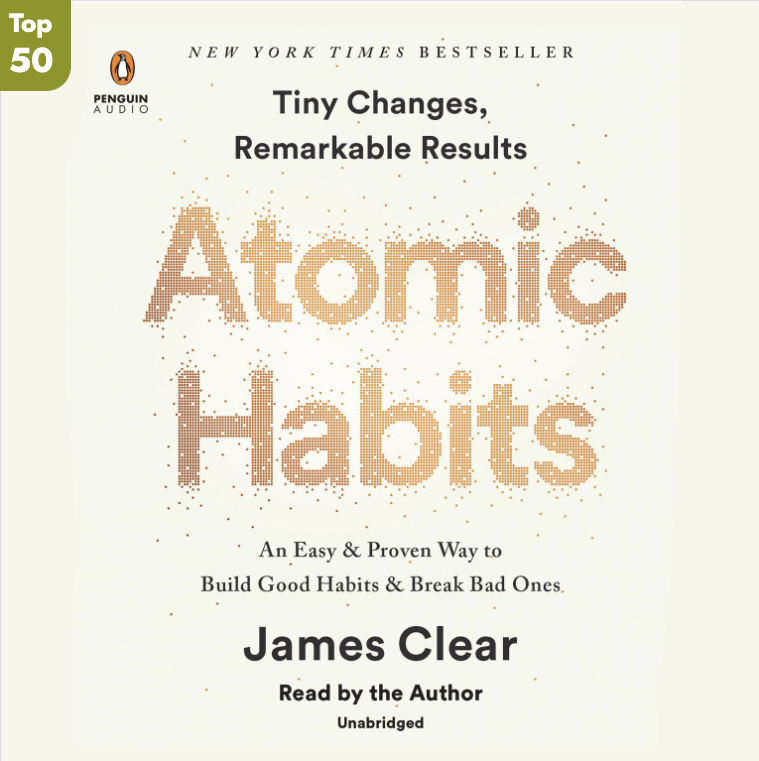
Atomic Habits - James Clear
This book has had controversial reviews - but I still think there are some nuggets of wisdom inside - if you can get past the slightly macho versions of ‘growth’ and ‘success’ and ‘improvement’. The ways that we, as busy working mothers, have to build new habits by fitting them in the cracks of family life, and the ways in which only small, managable tasks seem viable - means it has a place at our table this month. I’d love to know your thoughts.

Grit
Angela Duckworth’s ideas about GRIT have helped us understand some of the tools behind perseverance and resilience - and how we manage degrees of challenge and difficulty. Two videos (one short, one longer) give you an inside view on how the theory was formed - and why it helps us to establish new habits and manage change.