
April: EMERGE
To EMERGE:
To appear by coming out of something or out from behind something
To come to the end of a difficult period or experience
To become known, especially as a result of examining something or asking questions about it
To become known or develop as a result of something
To begin to exist or have power or influence
Source: https://dictionary.cambridge.org/dictionary/english/emerge
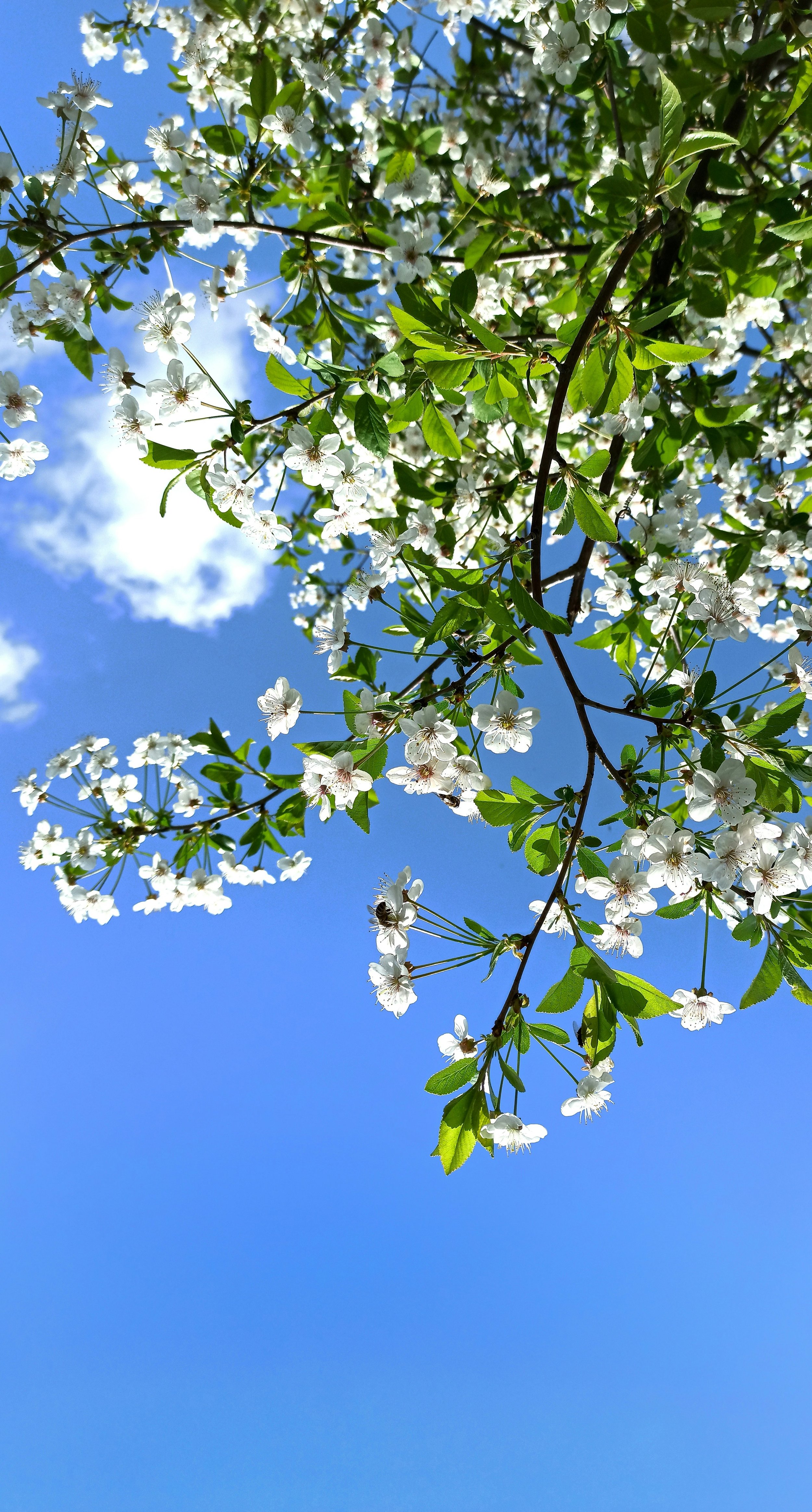
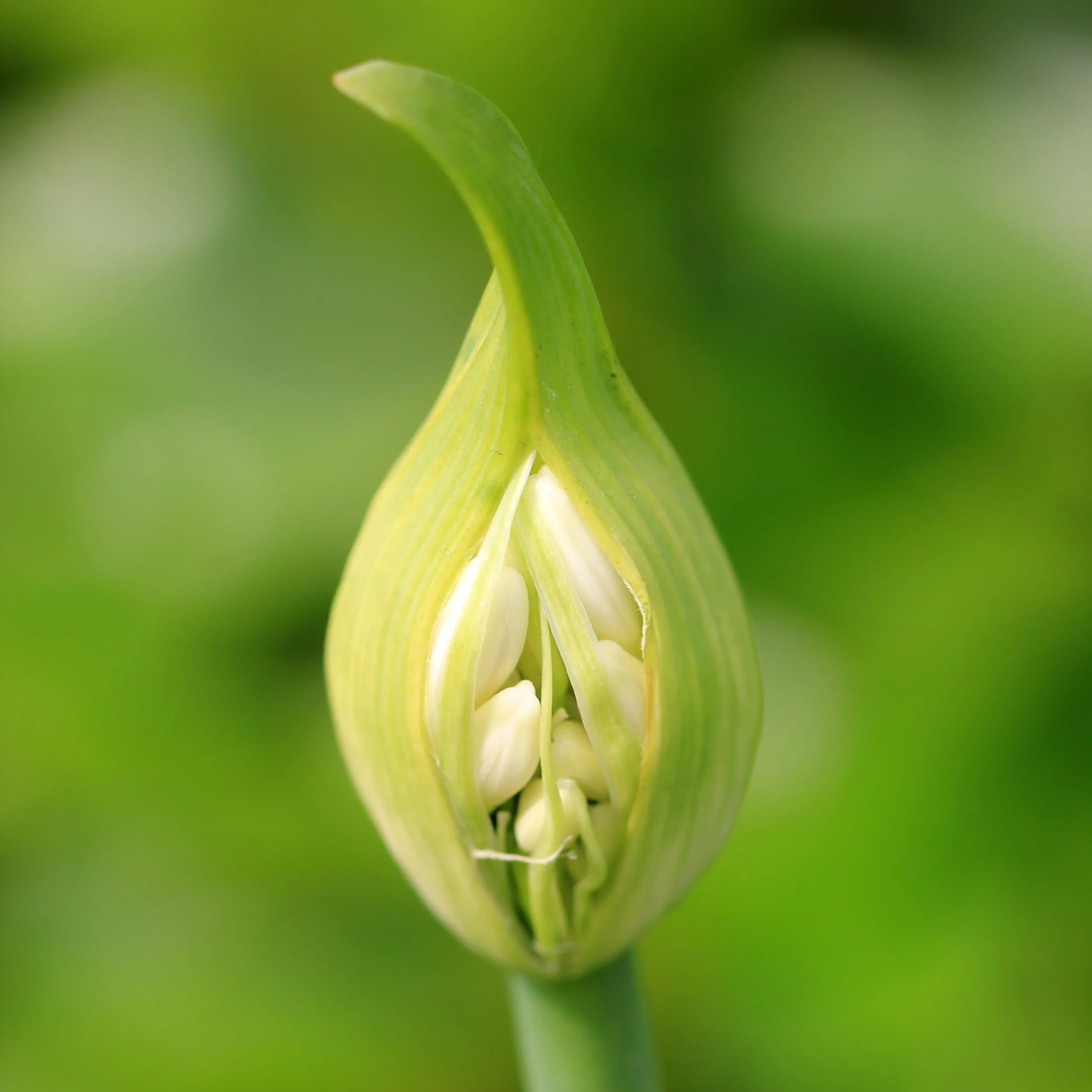
Now we are in Spring, there is a definite sense that we are emerging - from darker days and nights, from the colder weather, from the seed husks that everything start in - to stepping into the sunshine, more light in the mornings, and the blossoming on the trees and the seedlings taking root.
What does it mean to you, to emerge? Which of the definitions above feels right to you? Are you getting through something, emerging out on the other side? Are you becoming known for something, or finding something out, by examining and asking questions? Are you beginning to have some power or influence?
At this time of year, when the natural world is emerging again, it feels like a good time to ask ourselves what it is we might be hiding behind, or need to appear from. It might be a shift, a change that needs to be made, and you are beginning to see the threshold that needs crossing. You might want to understand how things come into being - how they emerge and grow - maybe a plan, an ambition, a goal.
We are in a constant state of growth, throughout our lives, and with each shift comes some kind of emergence. Sometimes it is slow and imperceptible. Sometimes fast and furious. Becoming a mother was not just an emergence, but a transformation, for me! But I continue to emerge as my children themselves grow, feeling my way towards what they need, what I need, what we need together at any given point.
Being visible
Emerging can be painful. It can be awkward to metamorphose into something new, unsure of whether we are ready to be seen. It can take time, and the signposts of our growth are often only obvious when we look back and notice how far we’ve come. We can be afraid to fail, to look vulnerable, and explore the unknown. But with every growth comes this delicate phase or emerging, blinking, into the light.
Being ready to be visible is ideal - unless of course you are the kind of person for whom visibility is never the goal. Some of us prefer to stay unseen, emerging only in the shadows, where we feel more comfortable to explore and find our footing. To what degree do you enjoy being visible and seen by others? Recognition is, after all, a Human Given, a universal need.
The Conditions of Growth
Whether in the shadows, from under a rock, or in broad view - emergent growth means that often you are encountering new forces, new elements that provide the context of that growth. That delicate green shoot, pushing through the soil to reach the light, then experiences the rain, the sun, the frost, the slugs and snails just waiting for their lunch… all the dangers and elemental forces that constitute the context of your growth. And this context will be as important as the will and determination for you to emerge and grow.
What, in your environment, can you control - and what remains outside your influence? What elements can you enjoy and relish and choose - and which will create a challenge for you? What do you need to protect yourself from, and what do you need to ensure is in good supply - as the shoots in your garden grow?
Who will support your growth, and who might get in its way? Who will help nurture and provide, and who might deplete resources - even proving to be the weeds that could overwhelm your patch?
We might even question our resilience - especially at this most vulnerable of times. What do we need to ensure we can face challenging times or environments and emerge stronger as a result?
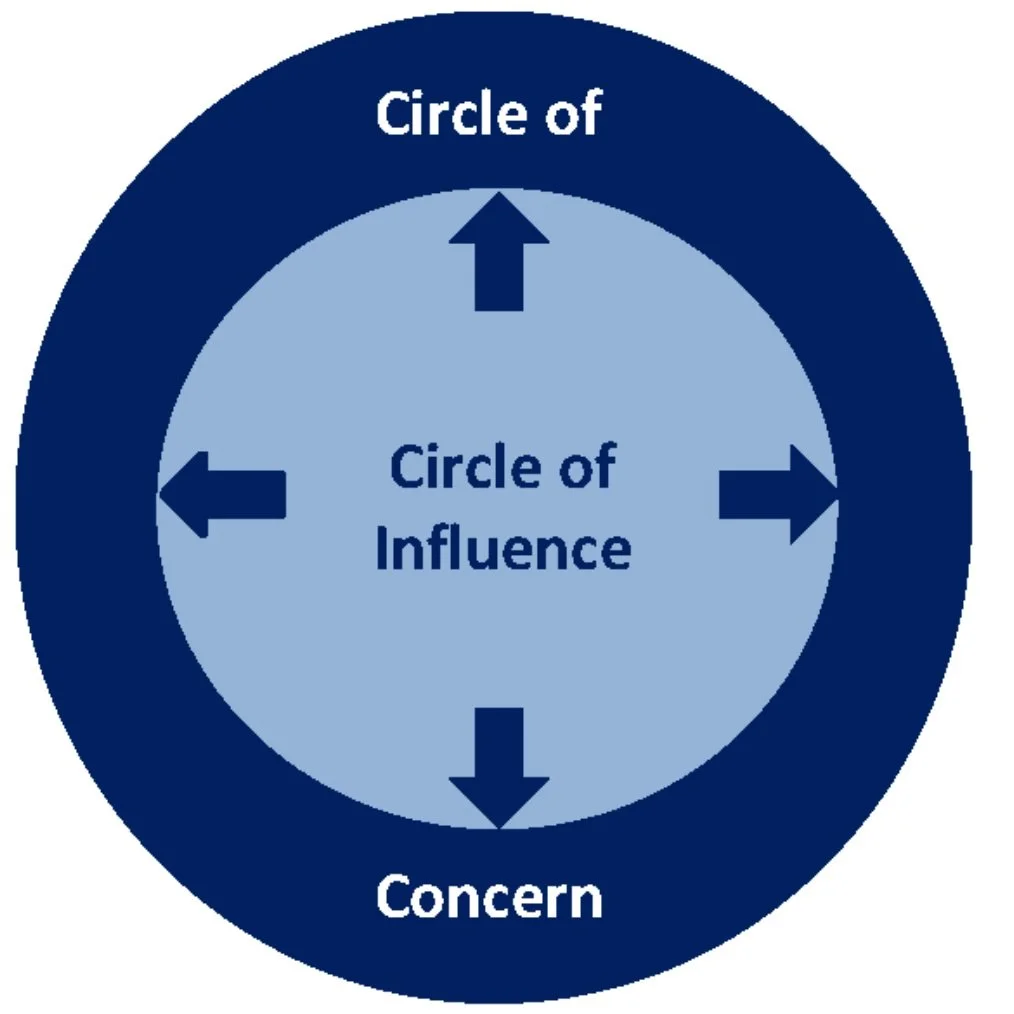
This month - you’ll have a chance to explore Steven Covey’s Circle of Influence - and consider what forces remain out of your control, and which are those you can affect (and therefore prove most valuable to you).
Playfulness
Another way of imagining things emerging, is the idea that something will appear - especially if the right people are there to notice. And the best way to create opportunities for something to emerge - in its own sweet time - is to learn how to make the space for things to appear. In short: mindfulness practice and play.
Our own creativity, moments of playfulness and non-striving, allow and enable things to emerge. And what do we need in response? A butterfly net of mindfulness that will enable us the spot, to notice and to celebrate what has become. That noticing allows us to be present in the moment - and this way of being is hugely beneficial to our mental health and well being - allowing our parasympathetic nervous system to kick in and fend off our stress-induced flight/fight/freeze stance on the world. (It is difficult to be stressed out when you are choosing to be playful as those states require different parts of our brain - and oxytocin beats adrenalin every time.)
And according to Barbara Friedrikson, the more this positive emotion of playful curiosity is cultivated, the more this virtuous cycle broadens our horizons and build opportunities. Our capacity to allow things to emerge, to be playful and to be present - enables more to emerge, for us to be playful and create presence. How sweet is that?!
This month, I invite you to consider…
What is emerging in you?
Consider your starting points - your strengths, your values, your achievements to date - and think about what change you are calling in this month. Get curious, and ready to playfully let go of expectations. What happens when you make space for play and creativity - especially when there is no outcome or end point in sight? What happens when you let a playful version of yourself emerge? What do you need to know, to break a big task down into a set of smaller (more manageable) ones?
As something in you emerges - what can you control, and what remains out of your control?
What are some of the forces working against you? What serves you well and is supporting your growth? To what degree can you influence and control those variables to support you - and where is your focus and energy best placed?
What are the conditions for growth?
How are the ambient conditions in which to emerge? Do they create degrees of challenge, overwhelm or stress? And how resilient will you need to be to protect these new shoots as they peek through the soil?

Resilience: facing external challenges as we emerge
When we begin to emerge, we might feel at our most vulnerable. Understanding how we can remain resilient in the face external challenge will help us emerge with more confidence.
The context for change
As we emerge, what are the conditions we are coming into? How much will feel in our control, and what will feel out of our control? Stephen Covey’s Circles of Influence are a greta way to proactively focus on what you can control, to build confidence and reduce overwhelm.

The necessity of Creativity
Find here some prompts - some questions - to help you explore what deliberately creating moments of play can offer your wider experience - and how they can offer you opportunities to emerge in ways you didn’t expect, as well as those you deliberately want to cultivate.

Blind Questions
A set of valuable questions to give you perspective, clarity, and the bones of your plan - to make impossible things realistically manageable.
Stephen Covey’s Circles of Influence (Copy)
Stephen Covey’s Seven Habits of Highly Effective People is a best selling book. His first habit refers to the Circles of Influence - the context into which we emerge. This video sets out all his seven Habits in lovely animated form.

The playful wonderland behind great inventions: the need for PLAY
This short TED talk by Steven Johnson reminds us that necessity is not always the mother of invention - but in fact, play and happy accidents can often play a big part in the discovery or emergence of something. What that requires is an openness to something new, a playful mindset and enough awareness that something of value might just emerge from playful chaos.

What keeps you steady?
Roots are designed below the ground to keep what is above the ground, steady. What internal and external resources keep you steady? This activity is a lesson in mindful gratitude - and noticing the types of support in place that you provide for yourself, and that others provide too. We can often forget to pay attention to the small things, to notice how lucky we are, and overlook the rootedness we can feel - in the busy (and uprooted) nature of the modern world.